




Welcome to the website of the Humanitus Sidoarjo Fund (HSF)
On May 29th 2006, just two days after one of Indonesia's most destructive earthquakes hit the city of Yogyakarta leaving 6,000 dead and 1.5 million homeless, another disaster struck which continues to wreak havoc to this very day.
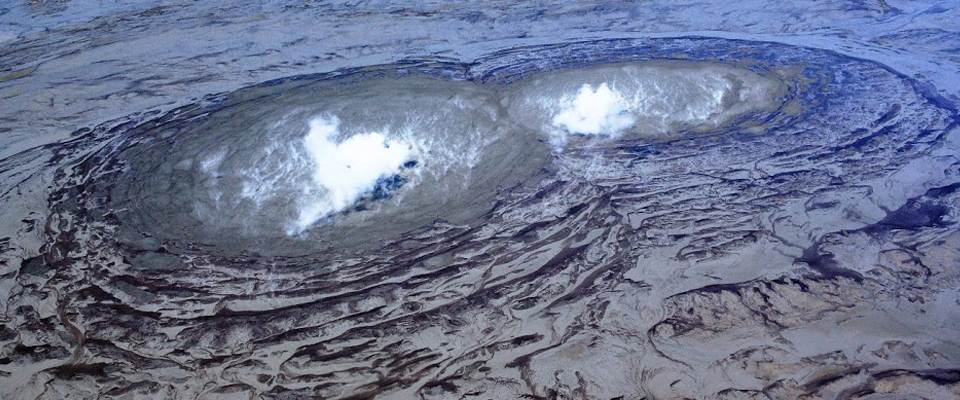
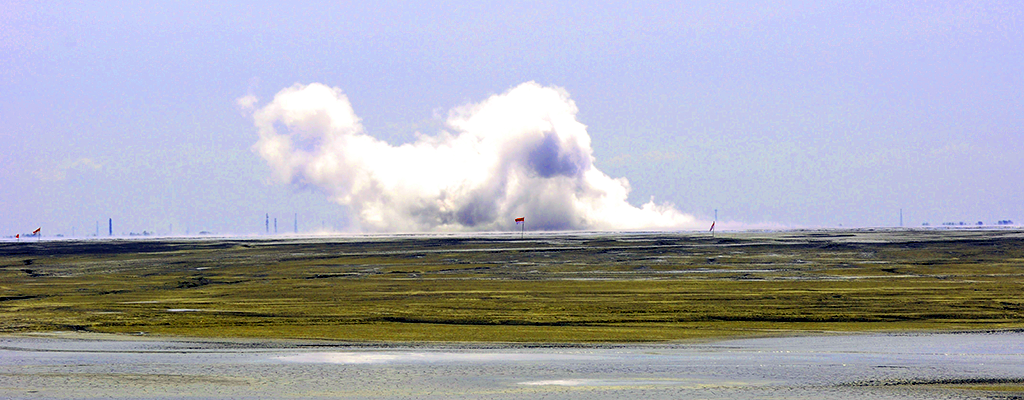
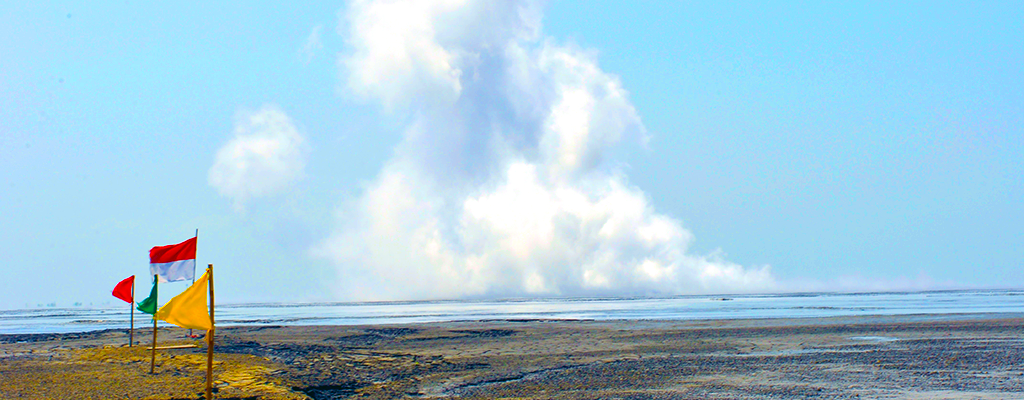
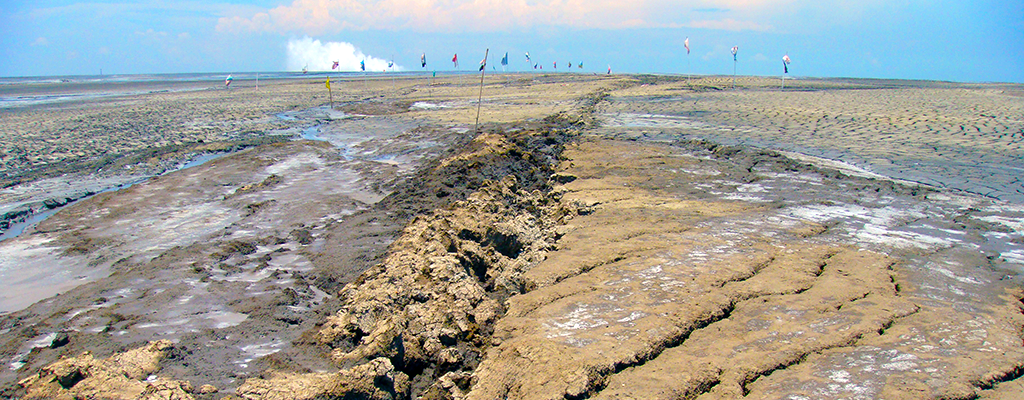
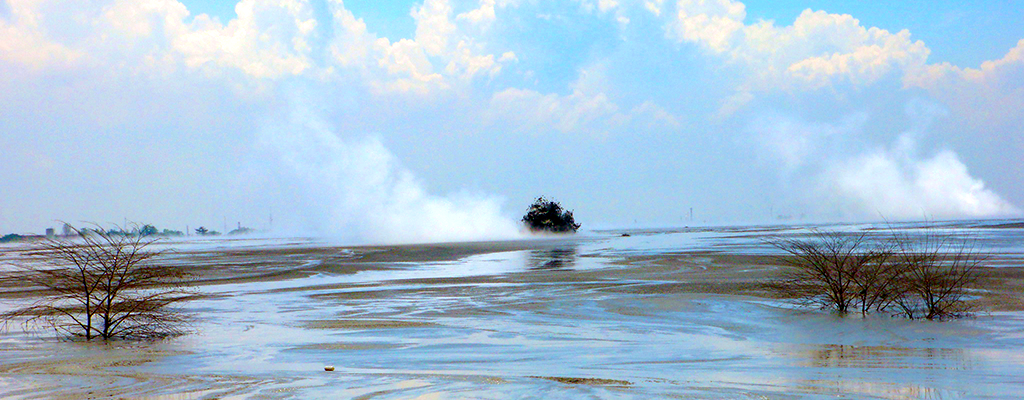
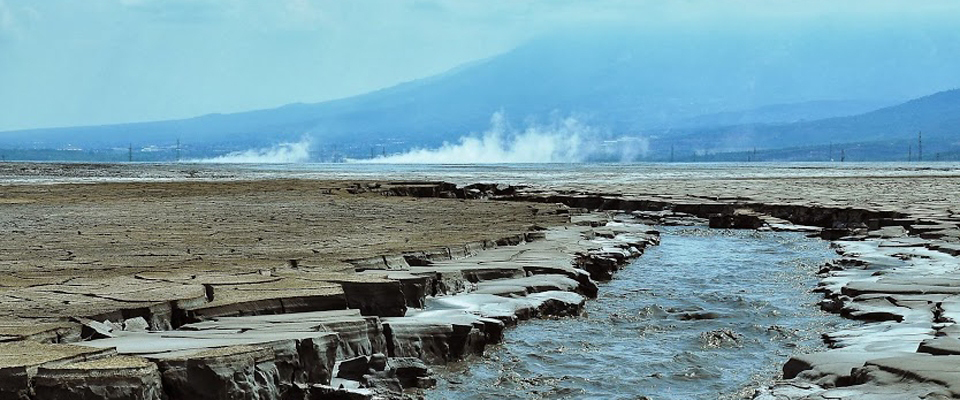
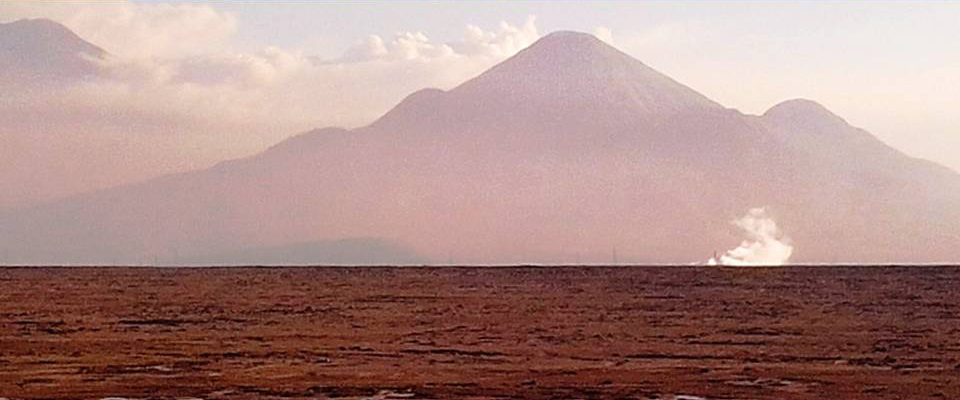
This disaster was the East Java mud volcano eruption, Lumpur Sidoarjo, which suddenly erupted near the township of Porong in the Sidoarjo Regency of East Java. The world would quickly come to know this mud eruption as LUSI, a compendium of the Indonesian word for mud (lumpur) and the region in which LUSI was born (Sidoarjo).
LUSI, the worlds fastest growing mud eruption, is a unique scientific, social and political event never before witnessed. Whilst most disasters command perhaps a few days, weeks or months under public scrutiny, LUSI, 8 years on, has been a contentious topic amongst leading world scientists and international and national media.
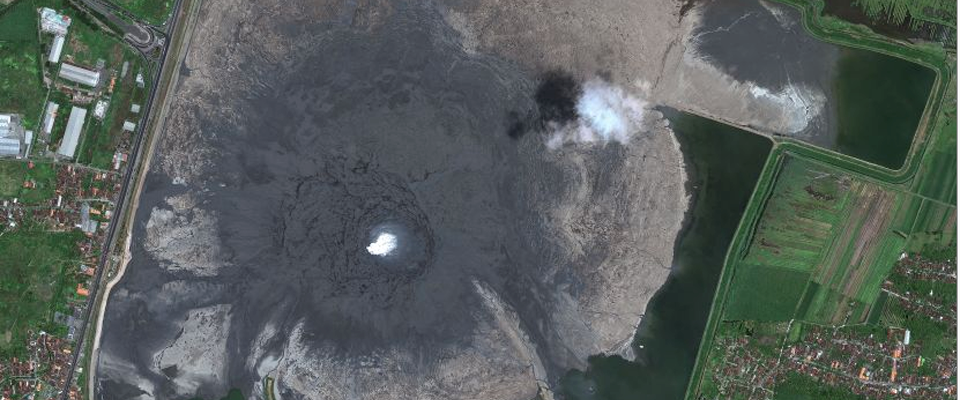
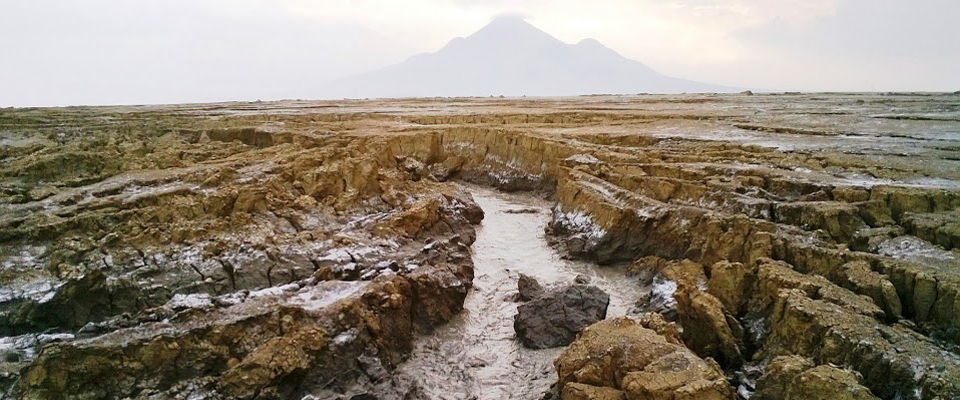
LUSI is by no means your typical mud eruption and in the early years it was pouring forth up to 150,000 m3 of hot mud per day, eventually flooding an area of almost 800 hectares with a depth of mud ranging from 8-20m.
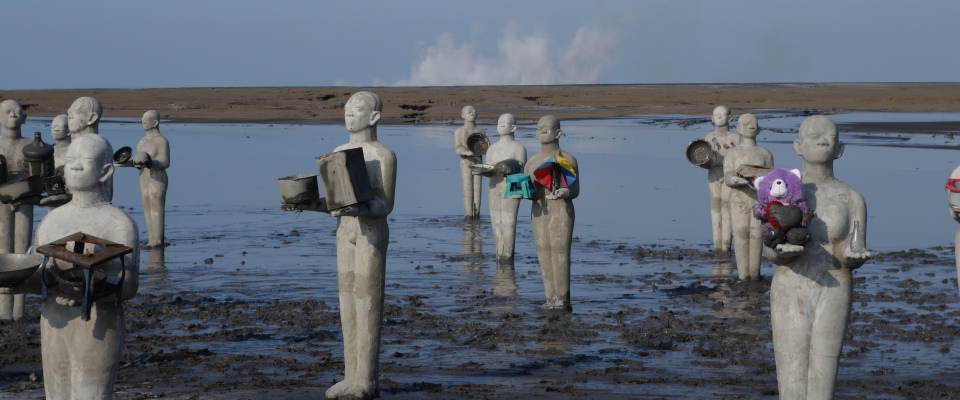
Some 40,000 people were internally displaced, with the majority now relocated, as a result of this unprecedented disaster. 12 villages, 33 schools, 15 Islamic Centres, 65 Mosques, 30 factories, 4 village offices, Sugar Cane Plantations, Rice Fields and other plantations are all now buried under many meters of mud. (Ref: Humanitus Sidoarjo Fund Social Impact Report - March 2011)
The loss to Government infrastructure has been significant, not the least of which is the main Java East-West Toll road that ran directly through the eruption zone. The road was permanently closed due to the mudflow on 21st November 2006. A new Toll road is under construction at significant expense to the Government of the Republic of Indonesia and requiring the relocation of many more families.
To date the financial cost of this disaster totals in excess of 1 billion dollars (Government expenditure in excess of Rp 3.6 trillion and Bakrie Family expenditure in excess of Rp 8.6 trillion) (Ref: Lapindo Brantas Social Impact Report - Updated April 2014).
Since the eruption some 40,000 people have lost their homes, belongings and livelihoods, not to mention in some cases their lives. Whole villages have been inundated with mud, infrastructure destroyed and reputations left in ruins. No one knows at this point in time just how long this eruption will remain active although some scientists say it could continue to erupt and grow for another 30 -100 years and possibly beyond.
One certainty with LUSI, the worlds largest mud eruption, is that it cannot be stopped by human intervention. To date, numerous strategies have been tried, and millions of dollars wasted, in unsuccessful attempts to put a halt to the course, and force, of nature.
LUSI is a daily reality, and of paramount concern to the people of the region and all those involved in the management and containment of this world first mega mud eruption.